Don't just watch F1.
Understand it.
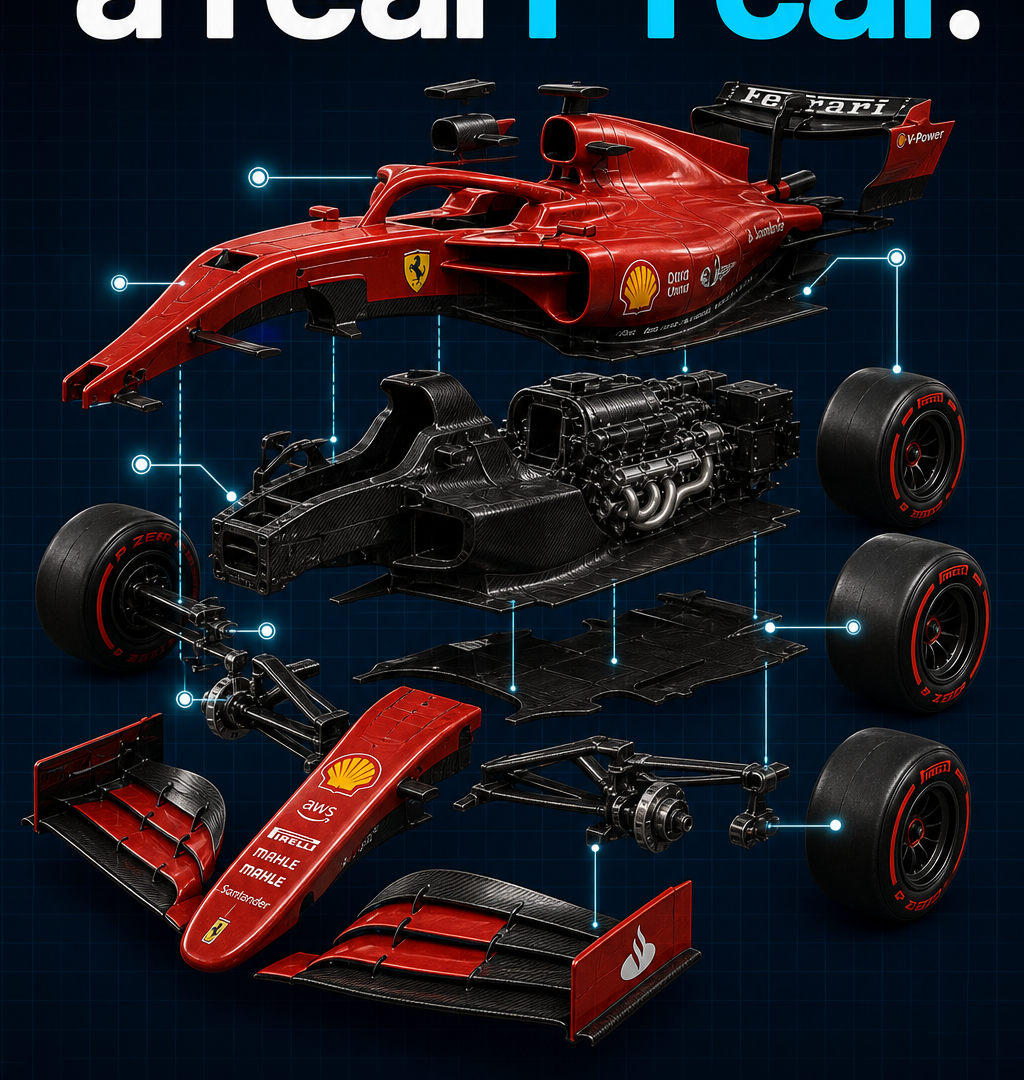
Commentators talk about dirty air, ground effect and deployment like you were born knowing what they mean. Paddock Pass teaches you — on a real 3D car you take apart with your fingers.
Learn with your hands,
not a textbook.
No videos to sit through, no walls of text. Every lesson happens on the car itself.
Pull the car apart
Drag the front wing off. Lift the engine cover. Explode the whole car with a slider — down to the V6 hybrid's turbo and MGU-K.
Follow guided lessons
Each lesson steps you around the car — the camera flies to the part being explained, highlights it, and shows you why it's shaped that way.
Prove it & keep a streak
A short quiz closes every lesson. Daily streaks keep you coming back until race engineering finally clicks.
Six chapters. One car.
A structured curriculum from nose to diffuser — built around the 2026 regulations, with a new lesson released every week.
Anatomy of an F1 Car
Meet all 16 assemblies and learn what each one is there to do.
C2Aerodynamics
Downforce, ground effect, dirty air — and the 2026 active aero X- and Z-modes.
C3Chassis & Safety
The carbon monocoque, the halo, and how drivers walk away from 300 km/h crashes.
C4The Hybrid Power Unit
Inside the V6, the turbo, and the 350 kW MGU-K that makes 2026 cars half-electric.
C5Running Gear
Suspension, brakes, tyres — everything that turns downforce into lap time.
C6Racing the 2026 Rules
Manual override, energy management, and how the new rules change racecraft.
See the air that sticks the car to the track.
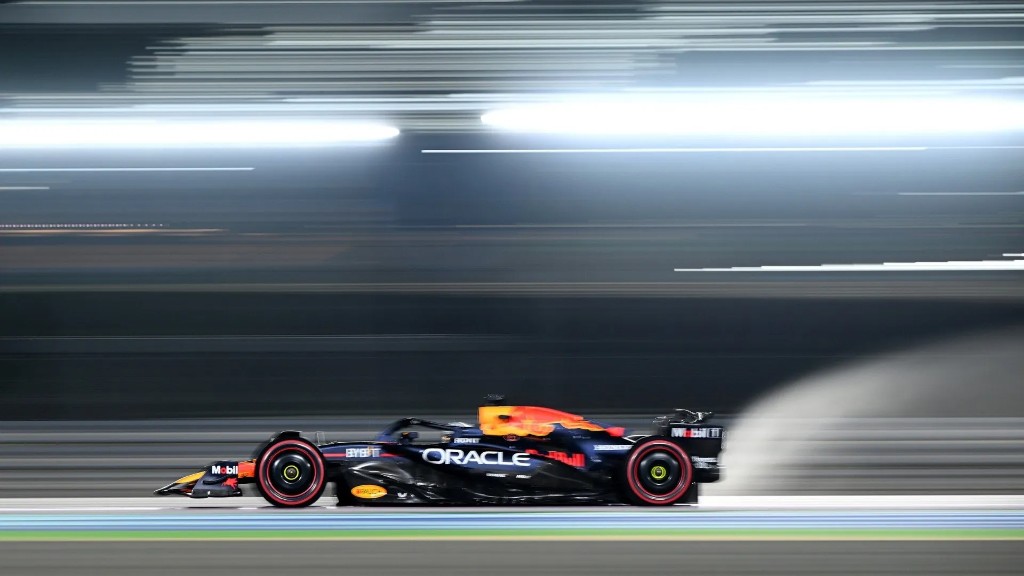
Aerodynamics is where F1 is really won. Step into a live virtual wind tunnel: spool the fan up to 320 km/h, open DRS, drop the ride height and watch the streamlines react in real time.
- 01
Downforce & lift
Why an F1 car could drive upside down — and what wings really do.
- 02
Drag & DRS
The price of downforce, and how the rear wing opens to cheat the air.
- 03
Ground effect
How the floor and diffuser suck the car down at 300 km/h.
- 04
Tunnel School & Setup Lab
Guided experiments turn the tunnel into a class — then trade wing for speed and beat the engineer's lap.
Two seconds.
Twenty people.
Zero mistakes.
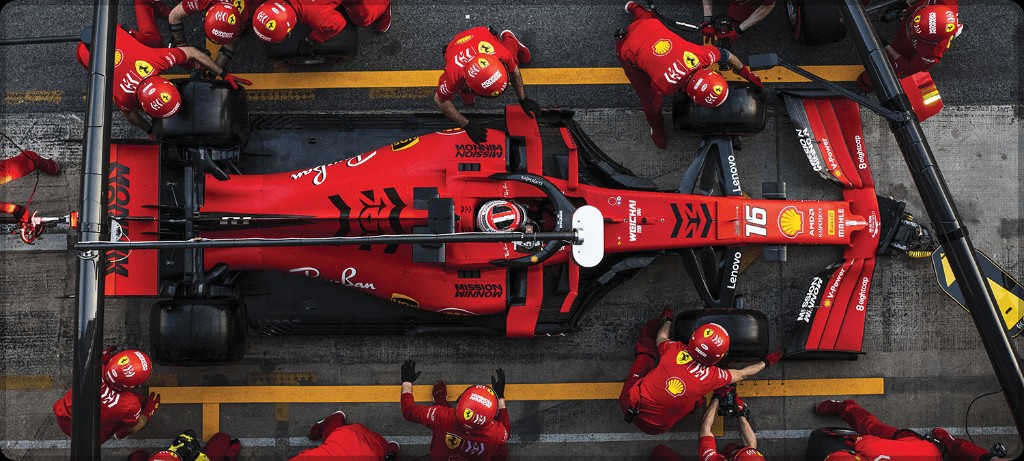
The most intense two seconds in sport, live in 3D. Scrub through a full stop frame by frame, tap any of the twenty crew to see their job, then take the headset and make the calls yourself.
- 01
The two-second stop
How four wheels get changed faster than you can read this sentence.
- 02
Wheel guns & one nut
10,000 rpm guns and the single nut that holds each wheel on.
- 03
The choreography
Twenty jobs, rehearsed thousands of times — every stop a race of its own.
- 04
Pit Crew School & Crew Chief
Guided lessons decode every beat of the stop — then a reaction game puts you on the gantry, chasing 2.3 seconds.
Built like a garage, not a classroom.
New content every Grand Prix.
When the circus rolls into town, a race-week module drops in the app: the circuit's corners and timing sectors, what the track demands from the car, and where the race will be won. It disappears when the chequered flag falls.
This week only · then it's gone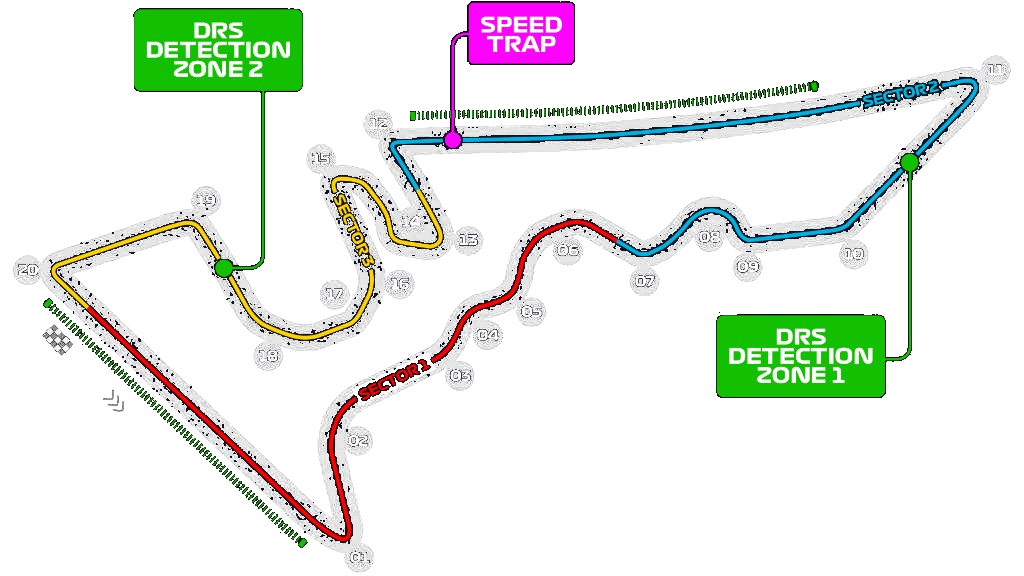
Sound like an engineer by Sunday.
Download Paddock Pass and start your first lesson today — no account required, you'll be pulling the car apart in minutes.